.png)

By Robin Simon, President, Harpoon Capital · About · LinkedIn · Author, The Book on DSCR Loans (Available on Amazon)

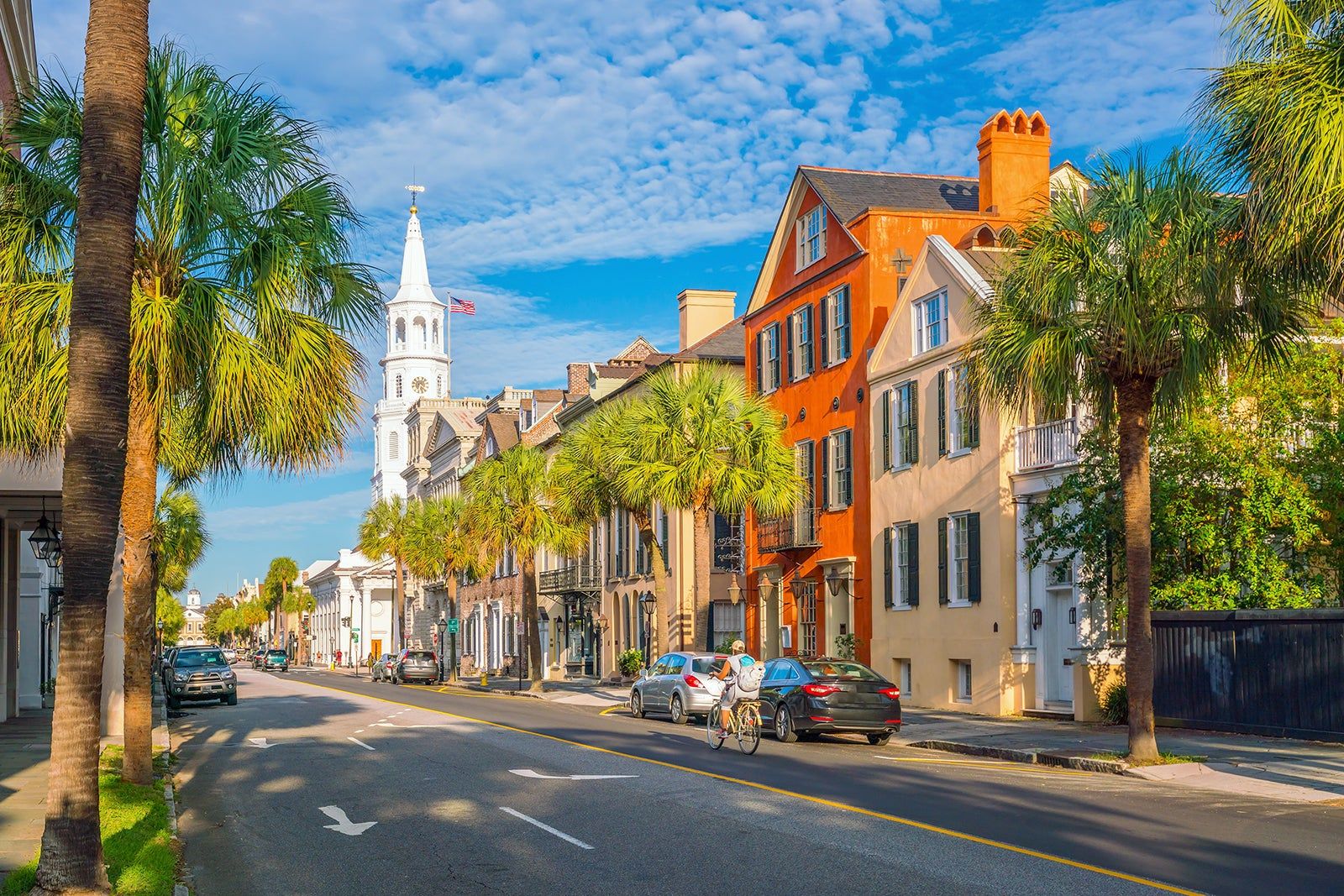
South Carolina pairs an inland manufacturing and finance corridor with some of the strongest coastal vacation real estate on the East Coast. There's an advanced manufacturing hub in Greenville, the state capital in Columbia, a historic tourism and healthcare economy in Charleston, a Shaw Air Force Base-anchored market in Sumter, and two of the Southeast's best-known beach destinations in Myrtle Beach and Hilton Head Island. Home prices vary sharply across these six markets, from the mid-$170,000s in Sumter to nearly $800,000 on Hilton Head.
This breakdown uses market data collected as of September 2026, the most current snapshot available heading into next year's buying season. If you're evaluating a purchase in the final months of 2026, keep in mind that your first full year of rental income, appreciation, or short-term rental revenue lands in 2027 regardless of when you close. A deal you underwrite today is already a 2027 investing decision, just one made with the freshest data available right now.
South Carolina has no statewide short-term rental license and no single law governing STRs, though every operator needs a retail license from the South Carolina Department of Revenue to collect state sales and accommodations taxes. Zoning is where things get more restrictive than the state-level picture suggests: Charleston and Greenville both confine whole-unit STRs to specific commercial or overlay districts, prohibiting them across most residential zoning, so the metro-level revenue numbers below don't automatically apply to every property you might consider.
Below, we break down six South Carolina markets worth watching, using current data from Zillow, Redfin, BiggerPockets, and AirDNA.
Note: Home price appreciation and rent-growth figures below come from Zillow's Home Value Index (ZHVI), Redfin's median sale price data, and BiggerPockets' Market Finder, which use different methodologies and can vary from one another. We've cited both where available so you can compare.
Quick Answer: South Carolina's Top 6 Markets
If you only read one section, read this one.
Manufacturing-driven growth, with STR zoning tighter than the numbers suggest
.jpg)
Greenville has quietly become one of the Southeast's more resilient manufacturing and healthcare economies, and the AirDNA numbers here are among the strongest in this article.
Michelin's North American headquarters and Prisma Health anchor a job base that spans manufacturing, healthcare, and a growing technology sector, backed by ongoing downtown revitalization that's kept Greenville on relocation shortlists for several years running. The catch for STR investors specifically: Greenville restricts short-term rentals under 30 days to specific commercial and mixed-use zones, prohibiting them across most residential neighborhoods. A property outside one of those zones won't clear zoning for a whole-unit nightly rental no matter how the AirDNA numbers below look.
Greenville posts a strong AirDNA score of 93/100, driven by an excellent Seasonality score of 97 and Rental Demand score of 94. Annual revenue per listing averages $31,856 (down slightly, -0.1% year-over-year), with an average daily rate of $152.08 (up 5.5%) and occupancy of 62% (down 6.1%). Total active listings sit at 1,897, up a modest 0.6% over the past year, suggesting the zoning restrictions above have kept supply growth in check.
Financing note: Harpoon Capital offers industry leading DSCR Loans for properties in Greenville and all throughout the market area. Check out our full DSCR Loans Program here, or if you want a quote on what terms look like today, fill out this two-minute form!
Sources: Zillow Home Value Index · BiggerPockets Market Finder · AirDNA Market Data
Investor Takeaway: Greenville's long-term rental case, built on manufacturing and healthcare jobs, doesn't depend on STR zoning at all and stands on its own. If short-term rental income is the goal, confirm the zoning district before you write an offer, the AirDNA numbers describe existing, mostly grandfathered inventory rather than a market broadly open to new whole-unit purchases.
The state capital's diversified economy at an affordable price point
.jpg)
Columbia combines state government, two major universities, and a growing healthcare sector into one of the more affordable diversified metros in this article.
The University of South Carolina and Palmetto Health sit alongside state government as Columbia's core economic anchors, a combination that has historically made the metro resistant to single-industry downturns. Columbia's rent-to-price ratio of 0.51% is the strongest of any market in this article, a favorable early signal for cash-flow-focused investors even before factoring in the sub-$235,000 median entry price.
Columbia posts an AirDNA score of 87/100, with a strong Investability score of 91 and Rental Demand score of 84, though Regulation (55) is the softest of any category tracked. Annual revenue per listing averages $36,276 (up 0.9% year-over-year), with an average daily rate of $178.48 (up 3.6%) and occupancy of 61% (down 2.6%). Total active listings sit at 1,651, down 6.3% over the past year, a supply pullback that could reflect either consolidation or a genuine slowdown in new STR investment.
Financing note: Harpoon Capital offers industry leading DSCR Loans for properties in Columbia and all throughout the market area. Check out our full DSCR Loans Program here, or if you want a quote on what terms look like today, fill out this two-minute form!
Sources: Zillow Home Value Index · BiggerPockets Market Finder · AirDNA Market Data
Investor Takeaway: Columbia's rent-to-price ratio is the best in this article, and the entry price is low enough that the math works even at a modest rent level. It won't generate headlines the way Charleston or Hilton Head do, but it's a solid, low-drama cash-flow market.
Thinking About One of These Markets?
Get a same-day DSCR Loan quote for a specific deal, or browse the full Harpoon Capital DSCR Loan Program to see rates, LTV, and qualification details before you keep reading.
The highest STR revenue on this list, gated behind real zoning limits
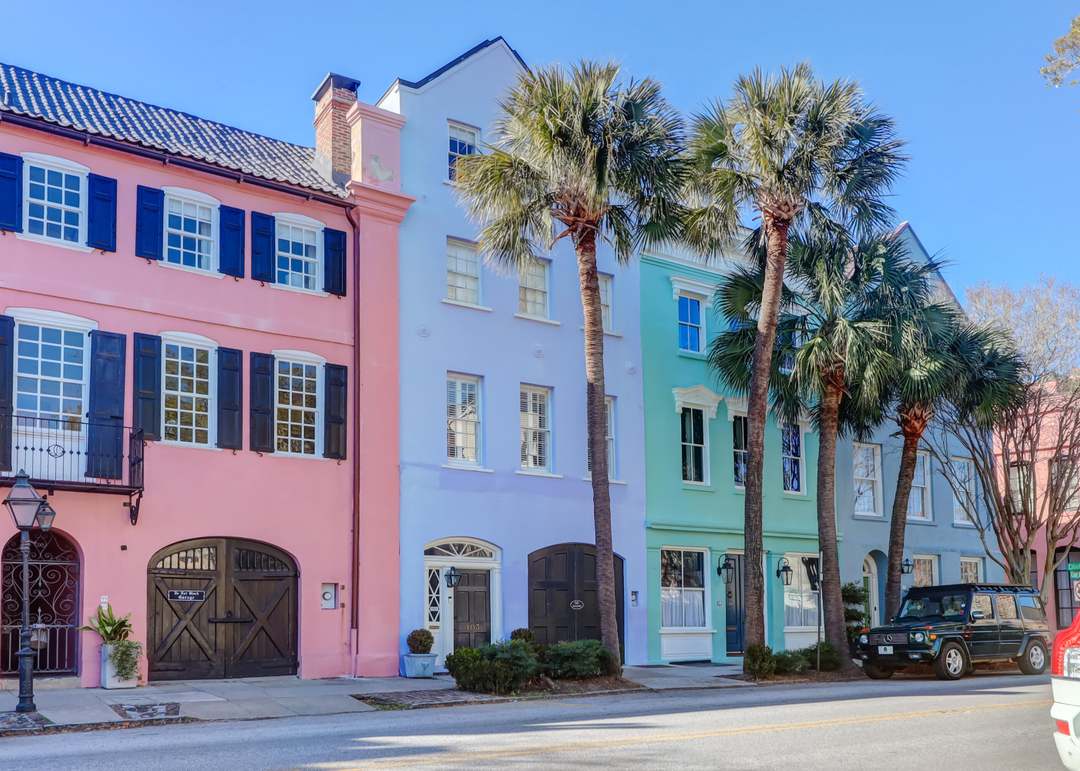
Charleston generates more short-term rental revenue per listing than any other market in this article, and it also runs one of the more restrictive STR zoning regimes on the list. Both facts matter equally here.
Boeing and the Medical University of South Carolina anchor a job base that spans aerospace manufacturing and healthcare, while tourism built on one of the best-preserved historic downtowns in the country drives the STR revenue figures below. Charleston's zoning code is genuinely restrictive, though: whole-house rentals are prohibited in residential zones, and owner-occupied rentals are limited to specific overlay districts. The city ended an outright STR ban back in 2018 in favor of these tighter rules, including a four-adult occupancy cap, rather than opening the market broadly.
Charleston posts an AirDNA score of 70/100, held back by a middling Seasonality score (51) and Revenue Growth score (55) despite strong Investability (86) and Rental Demand (89) scores. Annual revenue per listing averages $86,069, the highest dollar figure of any market in this entire article, up 0.7% year-over-year. Average daily rate is $434.09 (up 2.0%), also the highest on this list. Occupancy sits at 63% (down 1.1%). Total active listings sit at 8,861, down 5.1% over the past year, consistent with the zoning constraints above limiting new supply.
Financing note: Charleston short-term rentals can qualify on TTM actuals rather than long-term market rent, and Harpoon Capital is one of the most "STR-Friendly" DSCR Lenders around, offering qualification on STR purchases utilizing 100% of AirDNA or STR Narrative projections for revenue calculation in the DSCR Ratio!
Sources: Zillow Home Value Index · BiggerPockets Market Finder · AirDNA Market Data
Investor Takeaway: The $86,069 average annual revenue is real, and so is the zoning restriction sitting on top of it. Existing, legally operating STRs in Charleston are genuinely valuable assets; buying a random residential property and assuming you can run it as a whole-unit rental is a plan that likely doesn't clear the city's code.
Shaw Air Force Base-anchored demand at the lowest entry price in the state
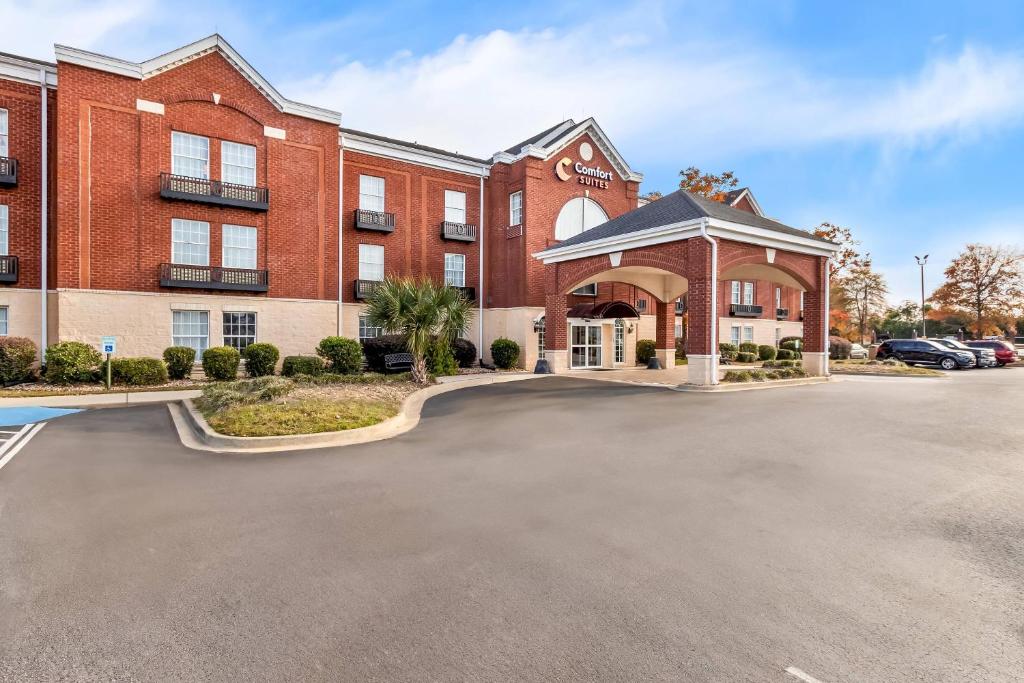
Sumter offers a similar thesis to other military-anchored markets covered in this series: rental demand tied to a base rather than a local economic cycle, at the lowest price point of any South Carolina market in this article.
Shaw Air Force Base and Prisma Health Tuomey Hospital anchor Sumter's economy, and the base in particular keeps rental demand steady even though the metro's overall population growth is essentially flat. This combination, a shrinking-to-flat population alongside a strong rent-to-price ratio, suggests the demand here comes specifically from military rotation and turnover rather than broader in-migration, a narrower but more predictable driver.
Sumter posts a submarket score of 98/100, among the strongest in this entire series, with a near-perfect Investability score of 99 and Rental Demand score of 98. Annual revenue per listing averages $28,976 (up 6.3% year-over-year), with an average daily rate of $123.00 (up 6.6%) and a strong occupancy rate of 72% (up 1.3%), the highest occupancy of any market in this article. Total active listings sit at just 131, up 8.3% over the past year, a genuinely thin market with limited comparable data and real first-mover opportunity for investors willing to enter early. One listed property near Shaw Air Force Base was explicitly marketed toward visiting nurses and medical staff, a useful reminder that Sumter's STR demand likely skews toward base-and-hospital-related short stays rather than pure leisure travel.
Financing note: Harpoon Capital offers industry leading DSCR Loans for properties in Sumter and all throughout the market area. Check out our full DSCR Loans Program here, or if you want a quote on what terms look like today, fill out this two-minute form!
Sources: Zillow Home Value Index · BiggerPockets Market Finder · AirDNA Market Data
Investor Takeaway: Sumter combines the lowest entry price, the highest rent-to-price ratio, and the highest STR occupancy rate of any market in this article. The near-perfect AirDNA score comes with a caveat, though: just 131 active listings means limited pricing certainty compared to more established markets.
Strong STR revenue hidden behind a low score, same seasonality story as the coast
.jpg)
Myrtle Beach follows a pattern that's shown up repeatedly across this series: a low headline AirDNA score sitting directly on top of genuinely strong short-term rental revenue.
Myrtle Beach's tourism-driven hospitality sector is the primary economic engine, but the metro also draws steady in-migration from residents in other industries, a dual base that supports both long-term and short-term rental strategies. Zoning here follows a similar pattern to Charleston and Greenville: STRs are generally permitted in resort and commercial zones, with real restrictions in residential areas, so confirming zoning before you buy matters as much here as anywhere else on this list. Local accommodations taxes also stack up quickly: a 3% beach preservation fee on top of state sales and accommodations taxes, and neighboring North Myrtle Beach runs a combined 13% state-and-local tax rate on STR revenue.
Myrtle Beach posts an AirDNA score of just 44/100, weighed down by weak Revenue Growth (43) and Seasonality (43) scores despite an excellent Investability score of 93. Annual revenue per listing averages $42,834 (down 3.1% year-over-year), with an average daily rate of $277.17 (up 4.0%) and occupancy of 54% (down 7.2%). Total active listings sit at 20,606, the largest STR inventory of any market in this article, down 3.9% over the past year.
Financing note: Distressed or seasonal coastal deals like Myrtle Beach often qualify on TTM actuals or STR Narrative revenue projections rather than a flat annualized number, with cash-out refinance available once a value-add property is stabilized.
Sources: Zillow Home Value Index · BiggerPockets Market Finder · AirDNA Market Data
Investor Takeaway: Read the low score the same way we've read it elsewhere on this list: a seasonality artifact sitting on top of real revenue, not a sign of weak demand. With STR inventory the largest in the state and occupancy softening, though, this is a market where new supply may be outpacing demand growth right now.
The strongest appreciation and rent growth on this list, with Beaufort as a value alternative

Hilton Head Island posts the strongest appreciation and rent growth figures of any market in this article, and the broader Beaufort County area around it offers a lower-cost alternative.
Tourism, healthcare, and a retail sector built around Hilton Head Hospital anchor an economy that draws both vacationers and a growing base of relocating residents, which likely explains why appreciation and rent growth here outpace every other South Carolina market covered. The gap between Zillow's island-specific home value ($789,690) and BiggerPockets' broader metro median ($439,500) reflects the island's premium over inland Beaufort County, a good reason to check listings across the wider metro rather than only on Hilton Head itself. Beaufort, one of the AirDNA submarkets feeding into this market's data, posts a strong 87 submarket score with $36,000 in average annual revenue at a meaningfully lower entry price than the island proper, a strong option if Hilton Head's price point is the main obstacle.
Hilton Head Island posts an AirDNA score of 54/100, with solid Investability (80) and Rental Demand (79) scores held back by weaker Revenue Growth (49) and Seasonality (47) scores, the same pattern seen at Myrtle Beach and Charleston. Annual revenue per listing averages $66,996 (down 1.4% year-over-year), with an average daily rate of $409.21 (up 0.4%) and occupancy of 58% (down 3.3%). Total active listings sit at 9,711, down 3.7% over the past year.
Financing note: Harpoon Capital offers industry leading DSCR Loans for properties in Hilton Head Island and all throughout the market area. Check out our full DSCR Loans Program here, or if you want a quote on what terms look like today, fill out this two-minute form!
Sources: Zillow Home Value Index · BiggerPockets Market Finder · AirDNA Market Data
Investor Takeaway: Hilton Head's appreciation and rent growth make the long-term case better than anywhere else on this list, but the entry price is also the highest here. Investors priced out of the island itself should look directly at Beaufort, which shows a stronger AirDNA score at a fraction of Hilton Head's price point.
Source: AirDNA, current as of 2026. Scores and figures reflect each market or submarket as defined by AirDNA and may not correspond 1:1 with city or county boundaries.
A few patterns stand out. Charleston, Hilton Head Island, and Myrtle Beach all show the same shape: lower composite scores dragged down by Seasonality and Revenue Growth, sitting on top of the highest dollar revenue in the state. Sumter's 98 score and thin 131-listing inventory point to a genuinely under-discovered market rather than an established one. Myrtle Beach's STR inventory, at over 20,000 listings, dwarfs every other market here, a detail that should factor into any assumption about how much room is left for new supply.
South Carolina's real estate landscape offers a strategy for nearly every type of investor:
Market-level data is a starting point, not a substitute for underwriting the specific property, neighborhood, and rental strategy in front of you. South Carolina leaves nearly all short-term rental zoning to individual cities, and three of the six markets in this article, Greenville, Charleston, and Myrtle Beach, restrict whole-unit STRs to specific zoning districts. Confirm what's legal at your specific address before you close, not just what the metro-level revenue data suggests.
Yes. South Carolina has no rent control and no statewide cap on security deposits. Short-term rental rules are set locally rather than at the state level, and several major markets, including Charleston, Greenville, and Myrtle Beach, restrict whole-unit STRs to specific zoning districts, so confirm local rules before you buy with a short-term rental strategy in mind.
No. Out-of-state and first-time investors can buy investment property in South Carolina without any license. A DSCR loan qualifies you primarily based on the property itself rather than your personal income or professional credentials, which is part of why it's such a common financing tool for out-of-state buyers.
A DSCR (Debt Service Coverage Ratio) loan qualifies a property primarily based on the property (its value, value and location) relative to its mortgage payment, rather than the borrower's personal income or tax returns. If the property's projected or actual rent covers the mortgage payment (a DSCR of 1.00x or higher), it's generally easier to qualify, and Harpoon Capital also offers options for deals below 1.00x.
Both markets are pulled down primarily by weak Seasonality and Revenue Growth scores rather than weak demand. Charleston's Annual Revenue ($86,069) is the highest of any South Carolina market in this article, and Myrtle Beach's Average Daily Rate ($277.17) is well above the state average, so the lower composite scores reflect seasonal concentration and slower growth rates, not underlying weakness.
Probably not, and this is worth confirming before you buy. Charleston prohibits whole-house short-term rentals in residential zones and limits owner-occupied rentals to specific overlay districts, with a four-adult occupancy cap. Greenville and Myrtle Beach both apply similar zoning restrictions, limiting whole-unit STRs to commercial or resort districts rather than residential neighborhoods generally.
Harpoon Capital's DSCR loan program allows as little as 15% down on qualifying purchases, up to 85% LTV, with cash-out refinances available up to 80% LTV. Exact terms depend on the property, credit profile, and DSCR ratio. Fill out our two-minute quote form to see specific numbers for your deal.
Ready to Run the Numbers on a South Carolina Deal?
Whether you're eyeing Greenville's job growth or a coastal deal in Hilton Head, get a same-day rate and terms with our two-minute DSCR quote form, or explore the full South Carolina DSCR Loans Program to see how we qualify the property, not just the borrower.
Sources: Zillow Home Value Index & Rental data, Redfin housing market data, BiggerPockets Market Finder, AirDNA market and submarket data (airdna.co). Data collected as of September 2026, ahead of the 2027 investing season.
This article is for informational purposes only and does not constitute investment, legal, or financial advice. Harpoon Capital encourages investors to conduct independent due diligence before making any real estate investment decision.